

Our coil heater package
What is the thermosyphon effect?
The thermosyphon effect is a naturally driven circulation of fluid caused solely by temperature-induced density differences—no pump required! It’s a beautifully simple and powerful phenomenon.
Here’s how it works:
When water is heated, it becomes less dense and rises.
When it cools, it becomes denser and sinks.
Connecting the hot and cold regions with a loop or pipe creates a continuous, self-sustaining flow.
Why it’s useful
No moving parts → highly reliable
No electricity needed → energy-efficient
Automatically adjusts flow based on heat input
Step-by-Step Safe Wood Coil Hot Tub Setup
Prepare the tub and coil
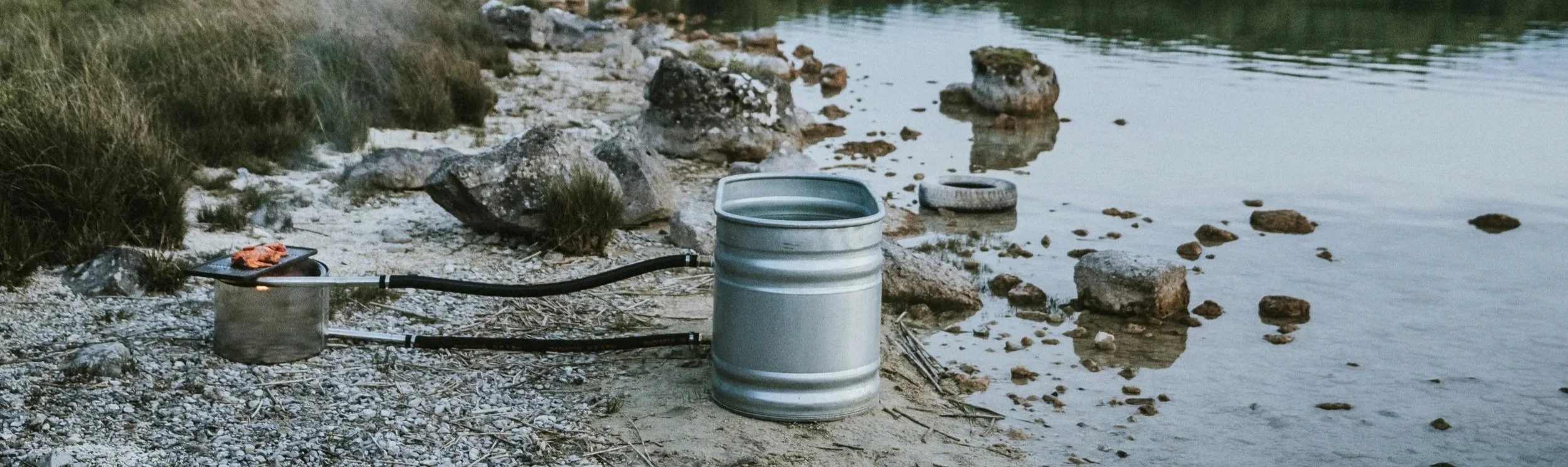
Please note that your cold water inlet and hot water outlet feeds must be below the water level in your hot tub at all times when your coil is in use. If the water line in your tub is below the level of your warm water outlet feed from your coil (or drops below it while you are using your tub) water will stop flowing through your coil and just sit in it, becoming extremely hot. This is called 'dry firing' the coil, which is extremely dangerous and will result in scalding hot water or steam coming out of the hot water outlet.
Ensure that the coil is placed a safe distance from your hot tub and is both stable and secure
Light the fire carefully
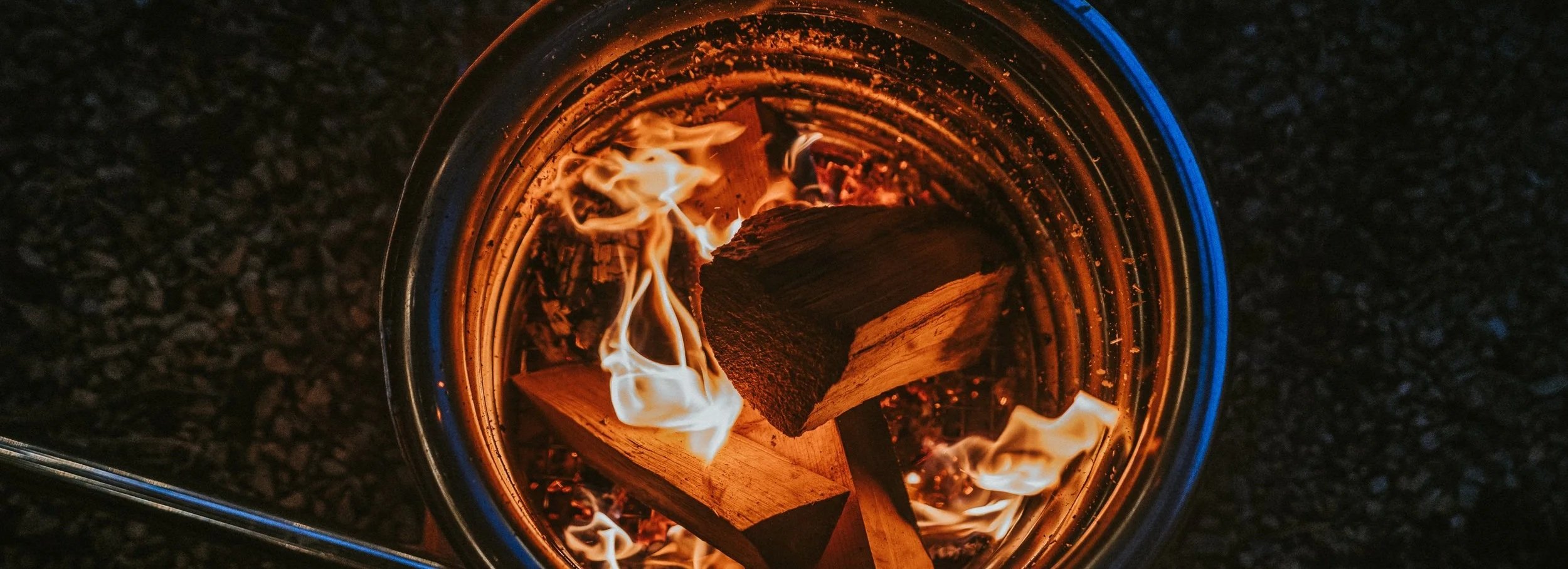
Start with a small fire to warm the water gradually.
Avoid large, roaring flames at first; this reduces the risk of overshooting safe water temperature.
Always monitor the water level—evaporation can expose the coil and create dangerous hot spots.
Monitor water temperature
Stir the water regularly as all the water sits at the top and the cold water at the bottom.
Use a floating or handheld thermometer to track the water.
Target 38–40°C for safe soaking.
Do not judge by touch; metal coils retain heat and can give misleading impressions.
Adjust the fire
Once water nears your target temperature:
Reduce the fire to embers only.
Or add water to cool if it’s too hot.
Never jump in if the fire is still active or the coil is glowing.
Safety during soaking
Always enter slowly—metal and water can be hotter than expected.
Keep a bucket of cold water nearby to adjust temperature if needed.
After soaking
Let the fire burn out completely and cool down before attempting to touch the coil or do maintenance.
Coil will remain hot long after the fire is gone—use gloves and tools to handle it.
Safety Guidelines for Your Hot Tub Heater Coil
Safety should be your top priority when planning, installing, and using your hot tub heater coil. Here are the key points to ensure safe operation:
1. Water Level & Coil Placement
The warm water return from the coil must always stay below the waterline. If the water drops below this level, the coil can overheat, creating a risk of scalding or steam.
Ensure there’s enough space above the return so it remains submerged even when people exit the tub.
2. Coil Filling & Circulation
The coil must always be filled with water, including when water is displaced by bathers.
Water must circulate freely; do not block flow with valves or other obstructions.
3. Fire & Supervision
Never leave the fire unattended, especially with children or pets nearby.
Keep the area around the coil clear of flammable materials and ensure the coil is stable.
Avoid combining fire and alcohol.
4. First Use & Troubleshooting
Check your setup before first use. If water isn’t circulating, is spurting, or makes knocking noises, extinguish the fire immediately and let the coil cool.
Both the cold water inlet and hot water outlet must remain below the waterline to prevent “dry firing,” which can cause scalding water or steam.
5. Temperature Monitoring
Wood-fired coils have no built-in thermostat. Use a hot tub thermometer to monitor water temperature and adjust the fire or add cold water as needed.
Without a circulating pump, temperature may vary, with water near the outlet being the hottest.
6. Wood Considerations
Even seasoned wood releases some water when burned. Excess moisture may appear as condensation on the coil.
Key Takeaway: Always prioritize submerged coil placement, proper water circulation, supervision, and temperature monitoring to ensure safe use.
Safety Notice:
Hot Water Feed The hot water outlet from your coil wood burner flows directly into the stock tank. The water can become extremely hot and poses a serious burn risk. Please follow these safety precautions: - Do not touch the water coming directly from the outlet. - Keep children and pets away from the tank while heating. - Allow water to mix thoroughly and for the fire toi die down before entering the tub. Use protective gloves if handling the outlet or connections. Hot water from the coil can scald instantly. Always prioritize safety when using your wood-fired hot tub.
Getting the most out of your coil
Keep your hoses short and tidy.
Use only the hose length needed to maintain a straight, direct run to your coil. Avoid any sagging that could trap air or reduce flow.
Prevent leaks wherever possible.
Use the supplied jubilee clips to secure the hose to your coil (and to the brass connectors if you’re using them). For any threaded fittings, wrap plumbers’ PTFE tape around the threads to keep everything completely watertight.
Keep air bubbles out of the system.
Leaks let water out—but they also let air in. To reduce the chance of bubbles forming, ensure your connections are tight. It also helps if the hose from the top of your coil back to the tub has a slight upward incline, encouraging any trapped air to rise back into the tub.
If you suspect an air bubble, gently tap or shake the hose or coil to help release it.
Never run the coil dry — ever.
Do not light a fire in a coil that isn’t fully connected to a water-filled hot tub. Do not allow the fire to continue if the warm-water outlet slips below the water line. Without proper water flow, the coil and its attachments can overheat rapidly, causing any water inside to boil and build dangerous pressure.
This is extremely hazardous.--
Additional ways to speed up your heating time:
Use a well-fitted hot tub cover and keep it on while the water is heating.
Add insulation to your hot tub whenever possible.
Ensure strong airflow beneath your coil—using a stand (store-bought or homemade) can make a big difference.
Burn well-seasoned, dry wood or a similar clean-burning fuel; it produces hotter fires with far less smoke.
Consider a coil with a fireguard to help trap heat and shorten your heat-up time. These can be purchased or built in many creative styles.
For the fastest results—or when heating a large volume of water—a pump can give you a major boost. Just be sure the pump keeps running any time the fire is producing heat to avoid pressure or steam buildup.